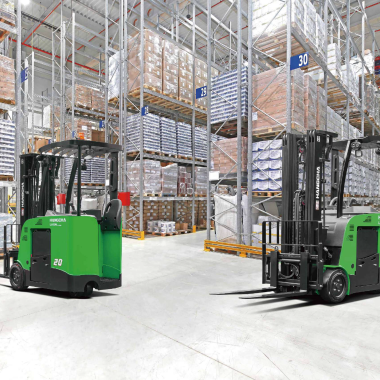


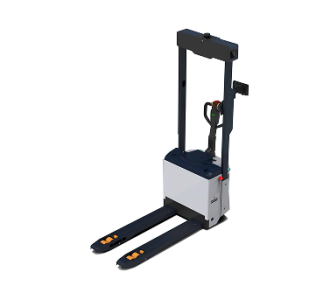
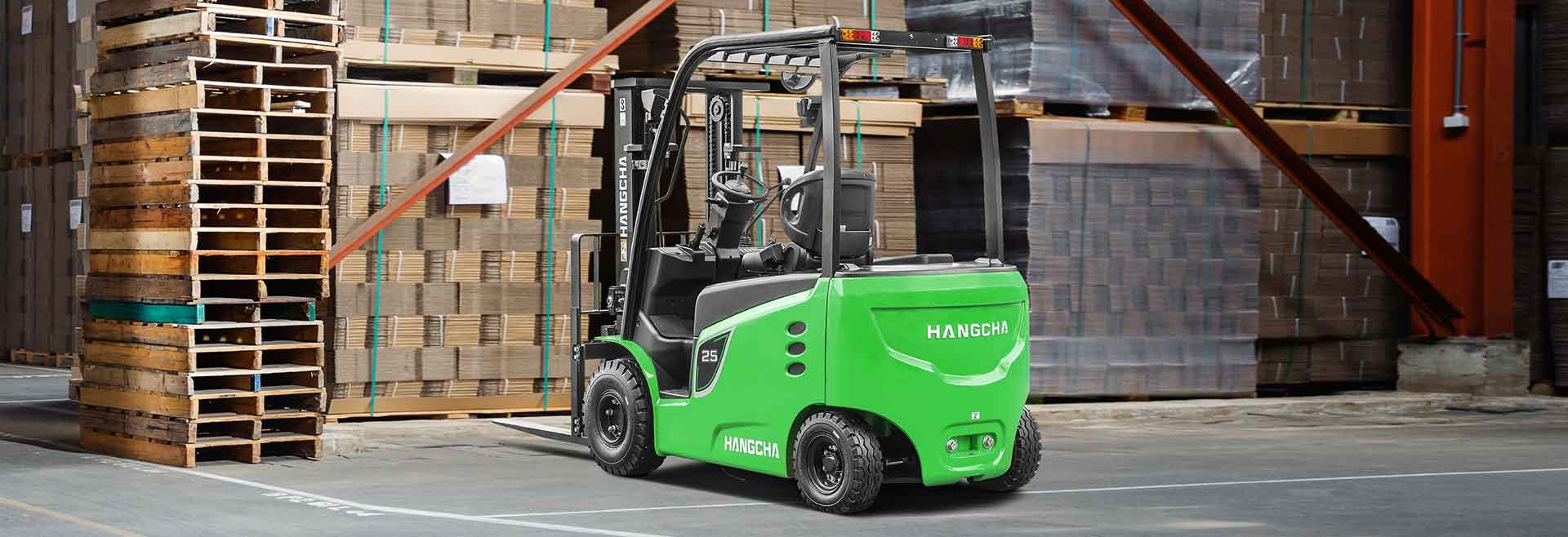
Choosing the right narrow aisle forklift is a major decision for any Australian warehouse. Stock density, labour efficiency and pallet movement speed all depend on how well the machine fits the daily workflow. A narrow aisle model is designed to work in tight spaces, but not every unit performs the same way. Understanding the real needs of your warehouse helps avoid overspending on features you do not use or choosing a machine that slows your team down.
Know your pallets and load pattern
Every selection begins with the pallets you move each day. Australian warehouses commonly handle CHEP sizes mixed with custom supply chain pallets, so the forklift must take the heaviest and least stable load without hesitation. Look at your tallest stacked item and the load that shifts most easily during travel. These two cases set the true requirement for stability.
How load shape affects the choice
A tall but light load demands a forklift with steady mast control, while a short, dense load needs strong traction and a firm base. If your team often moves mixed pallets across the same shift, choose a model with smooth acceleration so the operator can switch tasks without constantly adjusting technique.
Understand your lift height and speed needs
Most buyers focus on maximum lift height but overlook how often the top levels are used. If the upper racks see constant picking, then you need a forklift with a confident lift speed and a mast that stays steady even when the warehouse floor shows minor wear. Australian floors often develop small dips over time, which affect very tall lifts.
Height testing inside your warehouse
Always test a fully loaded lift to your top rack level before choosing the model. A machine that reaches a height comfortably during a demonstration may behave differently when working with your pallet weight and your floor condition.
Evaluate aisle width and operator comfort
Narrow aisle work means the operator moves through tight spaces for long periods. Comfort affects productivity more than most managers expect. A forklift with a supportive seat, responsive controls and clear visibility helps the operator stay confident during peak hours. In many Australian warehouses, the same driver operates for long stretches, so a comfortable cabin has a direct impact on output.
Visibility for narrow aisles
Check how clearly the operator can see the forks when approaching a pallet. Some mast designs give better sightlines in tight aisles, which reduces bumps and rack contact. A simple visibility test often reveals big differences between models.
Travel distance and battery planning
Not all narrow aisle forklifts travel long distances. If your warehouse mixes storage aisles with wide open receiving zones, then travel efficiency matters. In electric models, battery size and charging speed shape the daily routine. Choose a battery that matches your longest shift so the machine does not need unplanned breaks.
After-sales support and parts availability
Even the best forklift needs regular service. Australian warehouses operate on tight schedules, so downtime quickly becomes costly. Pick a brand with reliable service coverage and easy parts supply. A model that looks appealing but has limited local support often causes delays later.
Final thoughts
A narrow aisle forklift should match your pallets, your height requirements, your operator habits and the rhythm of your warehouse. When the selection is based on real daily use rather than general specifications, the machine becomes a long-term asset that lifts faster, turns smoothly and keeps your warehouse moving. Contact our support team with the elements we mentioned above for professional suggestion.