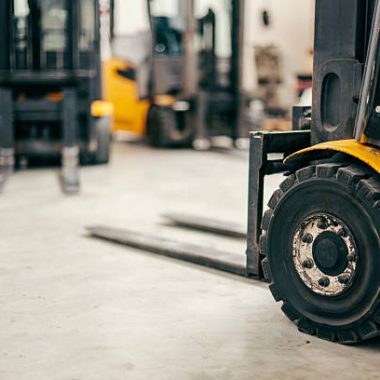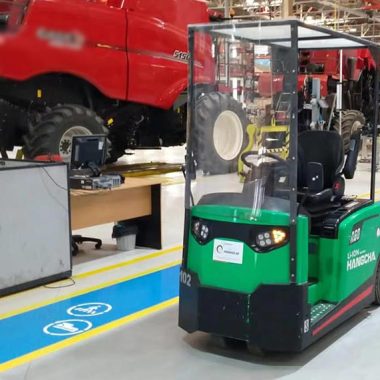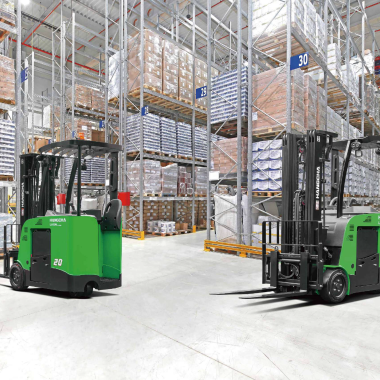


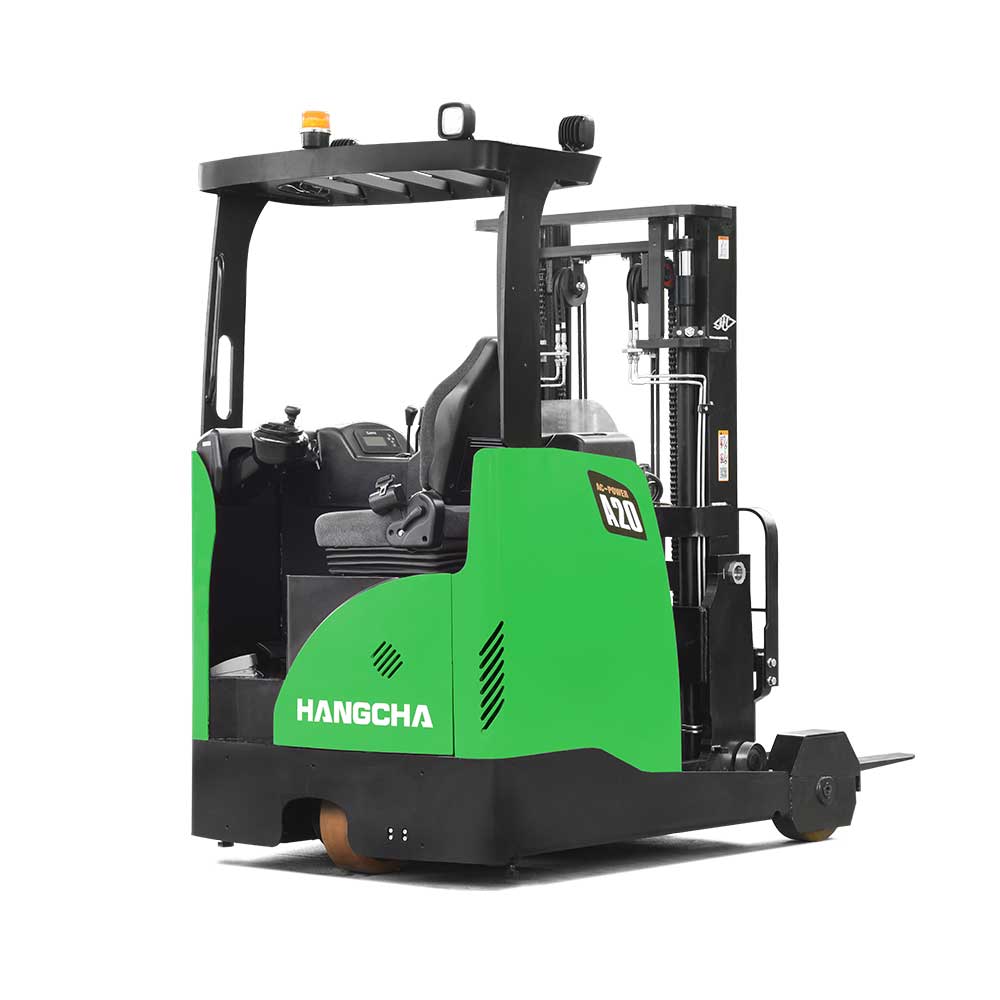
Walk through a modern distribution centre and one change is becoming hard to miss: more warehouse equipment is moving to lithium power.
For reach trucks, the shift makes particular sense. These machines often work long hours in narrow aisles, moving pallets between receiving areas and high-bay racking with little room for downtime. When a truck stops for charging, battery maintenance or a battery change, the impact can quickly flow through the rest of the warehouse.
That is why many businesses looking for a new reach truck are now comparing battery systems just as carefully as lift height, load capacity and aisle width.
Why Lithium Power Fits Modern Warehouse Operations
The biggest advantage of lithium-ion technology is not simply that it is newer. It fits the way many warehouses now operate.
Traditional lead-acid batteries have served material handling fleets for decades, but they come with operating requirements that can become inconvenient in busy facilities. Flooded lead-acid batteries may require watering, battery inspections, cleaning around acid residue and carefully managed charging schedules.
Lithium batteries remove much of this routine battery work. More importantly, they can support opportunity charging, where the truck is plugged in during lunch breaks, shift changes or other periods when it would otherwise be sitting idle.
For a warehouse running one light shift per day, that difference may not be dramatic. For a distribution centre operating two shifts, extended hours or frequent peak periods, it can make a much bigger difference.
Less Time Managing Batteries
Battery handling is one of the areas where lithium power can simplify day-to-day fleet management.
With conventional lead-acid fleets, high-utilisation operations may need spare batteries, battery-changing equipment and additional space around the charging area. Staff also need procedures for inspecting, charging and maintaining those batteries.
A lithium-powered truck can usually remain paired with the same battery and be charged without removing it from the machine. That means warehouse managers can spend less time organising battery swaps and more time keeping equipment available for pallet movements.
WorkSafe Victoria advises that electric forklift charging should still take place in locations designed for that purpose, with charging instructions followed and equipment protected from vehicle movement. Its forklift charging guidance is a useful reminder that switching to lithium does not remove the need for proper charging procedures.
Lithium Makes More Sense When Trucks Work Hard
Not every warehouse needs lithium power. The business case becomes stronger as utilisation increases.
Consider two operations.
One warehouse uses its reach truck for three or four hours during a normal weekday. Another runs picking, replenishment and put-away activities across two shifts, with the truck moving continuously between ground-level staging areas and high racks.
The second warehouse has far more to gain from faster charging and reduced battery maintenance.
| Warehouse Situation | Why Lithium Can Help |
| Multi-shift operation | Opportunity charging can reduce long charging interruptions |
| High pallet throughput | More truck availability during busy periods |
| High-bay storage | Consistent equipment availability for frequent stacking and retrieval |
| Limited warehouse space | Less need for spare battery handling areas |
| Large electric fleet | Reduced routine battery servicing across multiple trucks |
| Seasonal peaks | Easier to keep equipment available during longer operating hours |
This is also why lithium power is increasingly relevant to third-party logistics, food distribution, retail fulfilment, manufacturing warehouses and other operations where pallet movement cannot simply stop for several hours.
Look Beyond the Battery When Choosing a Reach Truck
Lithium power can improve the way a truck fits into your operation, but it does not make the wrong truck the right truck.
Start with the warehouse itself.
Check the minimum working aisle width, pallet dimensions, maximum pallet weight and the highest rack beam the operator needs to reach. Lift height alone is not enough. You also need to know the truck’s residual capacity at the required height because rated capacity at low lift may be very different from what can safely be handled near the top of the mast.
Turning radius, mast configuration, overhead clearance and floor condition should also be considered.
For example, Hangcha Australia’s XC lithium range includes models covering approximately 1,000 to 2,500 kg capacities, while certain configurations can reach lift heights of up to 13 metres. That gives buyers options for both lighter narrow-aisle work and higher-density pallet storage.
Before selecting a reach truck, it is worth mapping these specifications against your actual pallets and racking rather than buying purely on maximum capacity.
Does Lithium Automatically Mean Lower Cost?
Not necessarily.
Lithium-powered equipment can have a higher upfront purchase price than an equivalent traditional battery setup. The real question is total cost of ownership.
A warehouse should consider:
- purchase price and financing
- electricity consumption
- expected operating hours
- battery maintenance
- battery replacement requirements
- spare battery equipment
- charging infrastructure
- servicing costs
- downtime during charging
- expected truck life
A low-utilisation warehouse may take longer to recover the additional investment. A high-throughput operation where downtime has a real labour and productivity cost may see the value much sooner.
This is one reason fleet decisions should be based on cost per operating hour rather than purchase price alone.
Battery Technology Does Not Replace Warehouse Safety
Lithium-powered reach trucks can reduce some battery-handling tasks, but warehouse safety still depends heavily on traffic management, operator training and proper operating procedures.
Safe Work Australia’s Key Work Health and Safety Statistics Australia 2025 reported that Transport, Postal and Warehousing recorded 54 worker fatalities in 2024, with a fatality rate of 7.4 per 100,000 workers.
That figure is not specifically about reach trucks, but it highlights why mobile plant should never be treated as a productivity decision only.
Pedestrian separation, speed controls, visibility at aisle intersections, safe pallet handling, operator licensing and correctly designed charging areas remain essential regardless of battery chemistry.
Are Lithium Reach Trucks Right for Your Warehouse?
Lithium is particularly worth considering when your reach trucks operate for long periods, work across multiple shifts or regularly lose productive time to battery charging and maintenance.
For smaller operations with limited daily usage, the financial case needs to be examined more carefully. There is little benefit in paying for additional utilisation if the truck spends most of the day parked.
The best approach is to look at your working aisle, rack height, pallet weights, operating hours and charging opportunities together.
If you are planning a new warehouse, replacing an ageing machine or reviewing the cost of your current fleet, speak with Hangcha Australia about your operating conditions. The team can help compare lithium-powered reach truck options against your required capacity, lift height and warehouse layout so you can choose equipment that works for the way your site actually operates.