

How much does an electric pallet jack cost in Australia?
A new electric pallet jack costs roughly $2,000 to $8,000 in Australia. Ride-on models start around $8,000 and can pass $18,000. Capacity, battery size and how hard the truck is built to work explain most of the gap.
| Type | Typical price (AUD) | Suits |
|---|---|---|
| Budget lithium walkie, 1.5–2 t | $2,000–$3,000 ex GST | Light, occasional moves |
| Dealer-supplied walk-behind, 1.5–2.5 t | $3,000–$8,000 | Daily warehouse work |
| Ride-on (stand-on or seated), 2–3 t | $8,000–$18,000+ | Long runs, high pallet volumes |
| Used electric pallet jack | $1,000–$7,500, up to $12,000 | Tight budgets, short-term needs |
| Hire | From about $12 a day ex GST | Seasonal peaks, trials |
Figures checked in November 2026 against Australian retailer, dealer and hire listings. The walk-behind and ride-on ranges are from IndustrySearch’s ride-on vs walk-behind guide.
Prices move with exchange rates and stock, so treat these as a budget guide, not a quote.
What drives the price
Battery size and duty rating move the price most. Two trucks that both say “2 tonne lithium” can be very different machines.
| Factor | Why it changes the price | What to check |
|---|---|---|
| Rated capacity | Heavier frames, motors and wheels for 2.5–3 t | Your heaviest regular load, not the average |
| Battery chemistry | Lithium-ion adds about $1,500–$3,000 over lead-acid (IndustrySearch) | Charge time, battery life, warranty |
| Battery capacity | A 24V 20Ah pack suits short shifts; a 24V 340Ah pack runs long ones | Amp-hours (Ah), not just voltage |
| Ride-on platform | Bigger chassis, faster travel, more safety systems | Your typical travel distance |
| Fork size | 550 mm and 685 mm widths, long forks and special lengths cost more | Your pallet types (CHEP, Loscam, Euro) |
| Environment | Cold storage, ramps and wet areas need extra sealing and braking | Temperatures, gradients, floor condition |
| Charger and freight | A charger can add $300–$800 if not included; regional freight $200–$600 (IndustrySearch) | What’s in the quote |
| Local support | Parts stock, service technicians and warranty cost money to provide | Warranty length, parts lead times |
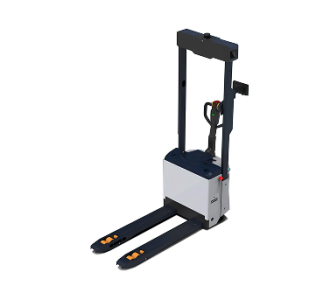
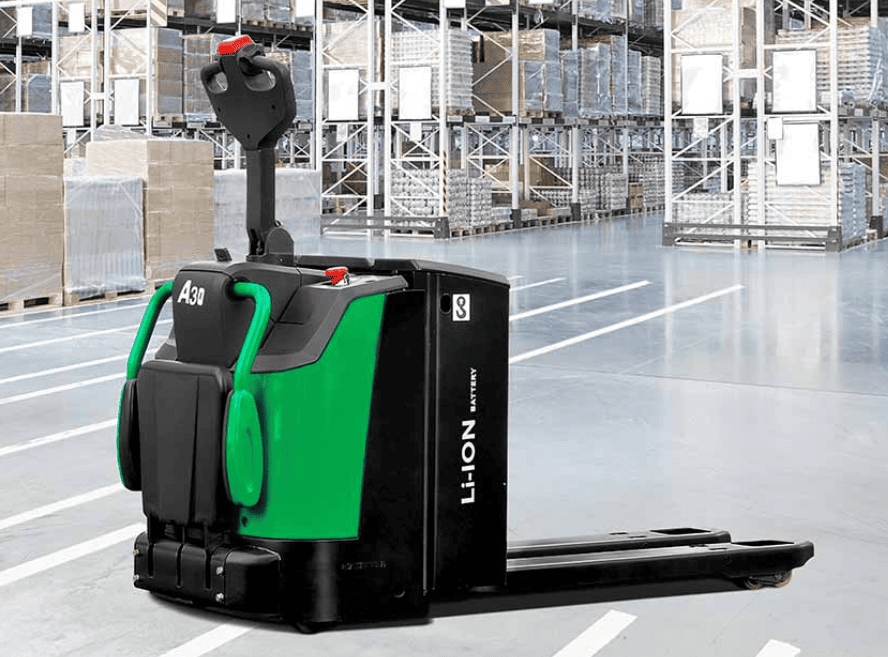
Battery capacity is the easiest gap to miss. Many budget 1.5 t walkies ship with a 24V 20Ah lithium battery. Hangcha’s A-Series Rider carries 24V 340Ah, about 17 times the stored energy at the same voltage.
Why a $2,000 pallet jack and a $10,000 one both exist
They are built for different workloads. Buying the wrong one costs more than the price difference.
A budget lithium walkie is made for low-intensity work: a few pallet moves an hour, short distances, one shift or less. Its small battery is the giveaway: one retailer quotes 3–6 hours of battery life for a 24V 20Ah model.
A dealer-supplied truck is sized for a full shift, every day, for years. It comes with local parts, trained technicians and a warranty you can actually use. A well-maintained electric pallet jack can run more than 10,000 operating hours.
Ride-on models earn their price on distance. IndustrySearch puts the crossover at about 40–50 metres of regular pallet travel, and says ride-ons typically move pallets 20–40% faster in large distribution centres (IndustrySearch).
A quick way to decide:
- A few moves a day, short runs: a budget walkie is usually enough.
- Daily use across a shift: a dealer-supplied walkie with a larger battery.
- Runs over 40–50 m or high pallet volumes: a ride-on.
Running costs after you buy
Running an electric pallet jack is cheap; replacing its battery is the big later cost. Electricity is typically under $100 per truck per year, and routine maintenance $100–$400 a year (IndustrySearch).
| Lead-acid | Lithium-ion | |
|---|---|---|
| Typical battery life | 3–5 years | 5–8 years |
| Replacement cost | $400–$1,200 | $1,200–$2,500 |
| Full charge time | 6–8 hours | 1–2 hours |
| Extra purchase cost | None | About $1,500–$3,000 |
Source: IndustrySearch, The true cost of electric pallet jacks.
Lithium costs more up front but pays back in other ways. There is no battery watering, no dedicated charging room, and operators can top up during breaks. For one shift a day with light use, lead-acid can still be the cheaper option. For multi-shift or high-volume work, lithium usually wins.
Three things keep running costs down:
- Size the battery to your shift, so it isn’t run flat every day.
- Book servicing on a schedule, not just when something breaks.
- Train operators. Rough handling and overloading wear out wheels, forks and batteries faster.
Buy, hire or buy used?
Buy new if the truck will work most days for years. Hire for peaks and trials. Buy used only with a clear service history.
| Option | Best when | Watch out for |
|---|---|---|
| Buy new | Daily use, long-term need, specific configuration | Higher upfront cost; size the battery correctly |
| Hire | Seasonal peaks, trialling a model, short projects | Daily rates add up over months; check what’s included |
| Buy used | Tight budget, light or occasional use | Operating hours, battery age and parts availability |
Hire terms run from a few hours to several months, depending on the supplier. Advertised rates for a small lithium walkie start from around $12 a day ex GST.
Used electric pallet jacks are advertised from about $1,000 to $7,500, and up to $12,000 for some models. Ask for the hour meter reading and the battery’s age before you buy.
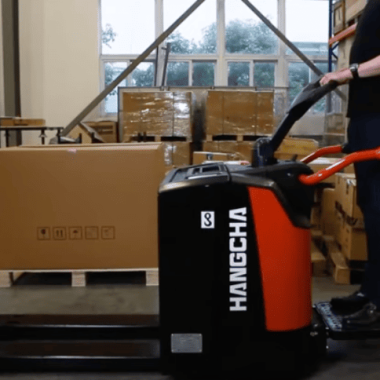
Hangcha electric pallet jacks: priced to your application
We don’t publish a list price, because each Hangcha electric pallet jack is configured to the job. Capacity, battery and options are matched to your loads, distances and shifts, then quoted.
| Model | Capacity | Battery | Travel speed (laden / unladen) | Built for |
|---|---|---|---|---|
| A-Series Mini Walkie | 1,500–2,000 kg | 24V 24Ah lithium-ion | 4.5 / 4.8 km/h | Backrooms, containers, short runs |
| A-Series Rider | 2,000–3,000 kg | 24V 340Ah lithium-ion | 6.5 / 7.0 km/h | General warehouses, longer runs |
| A-Series Hi-Range | 2,000–3,000 kg | 24V 240–340Ah lithium-ion | 9.0 / 9.5 km/h | Large sites, high pallet volumes |
Specs from the Hangcha electric pallet jack range.
For an accurate quote, send us:
- Your heaviest regular load and pallet type
- Typical travel distance per move and moves per shift
- Narrowest aisle width and any ramps or dock plates
- Number of shifts and when the truck can be charged
- Any cold storage, container or tail-lift work
- Delivery suburb
We support customers from Dandenong South (VIC), Meadowbrook (QLD) and Smeaton Grange (NSW), with genuine parts and operator training. Call 1300 399 687 or request a quote.
Electric pallet jack price FAQ
How much does an electric pallet jack cost in Australia?
Most new electric pallet jacks cost about $2,000 to $8,000. Ride-on models run from about $8,000 to $18,000 or more, and used trucks from about $1,000 to $7,500.
Is a lithium electric pallet jack worth the extra cost?
For daily or multi-shift use, usually yes. Lithium adds about $1,500–$3,000 up front, but lasts 5–8 years against 3–5 for lead-acid, and charges in 1–2 hours instead of 6–8.
How long does an electric pallet jack battery last on one charge?
It depends on battery size and workload. Small 20Ah packs may give 3–6 hours. A modern lithium truck sized for the job can last more than 8 hours of typical warehouse work.
Do electric pallet jack prices include GST?
Often not. Many Australian suppliers list prices ex GST, so add 10% when you compare quotes.
How much does it cost to hire an electric pallet jack?
Hire rates for a small lithium walkie start from around $12 a day ex GST. Ride-on models and short hires cost more.
Do I need a licence to operate one?
No high risk work licence is needed for walkie or low-lift rider models, but operators must be trained. See Do you need a licence for an electric pallet jack in Australia?
Disclaimer
Prices are market ranges from public Australian listings and guides, checked in November 2026. They are a budget guide only and change with stock, exchange rates and specification. Contact us for a quote on your configuration.